Sculpture
23 染色體和沙龍
![]()
23 Chromosomes and the Salon
8.5cmx12.3cm, 9cm x 12cm, 7.5cm x 10.5cm
Photography and text printed on porcelain tiles
2022-2023
Photography and text printed on porcelain tiles
2022-2023
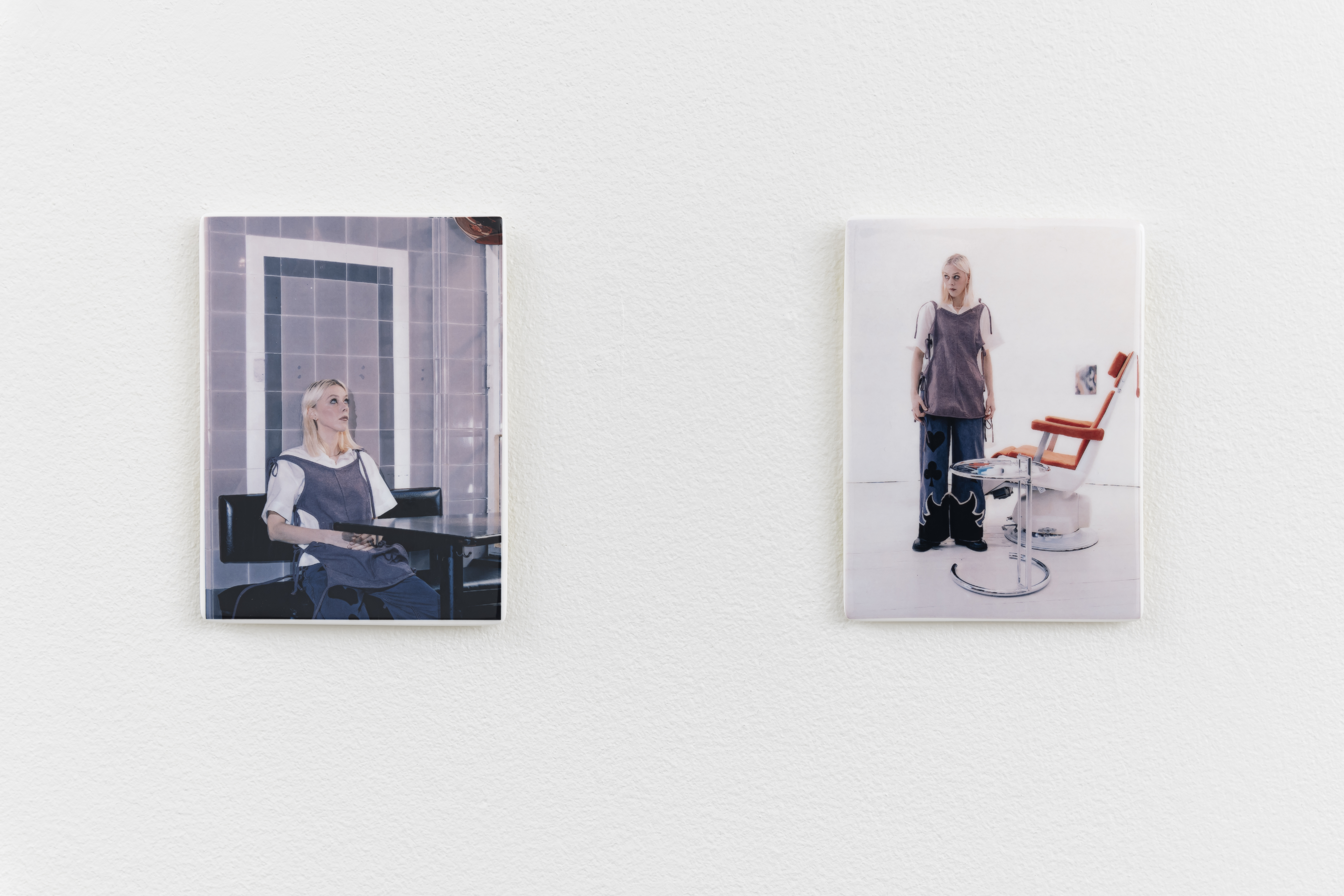
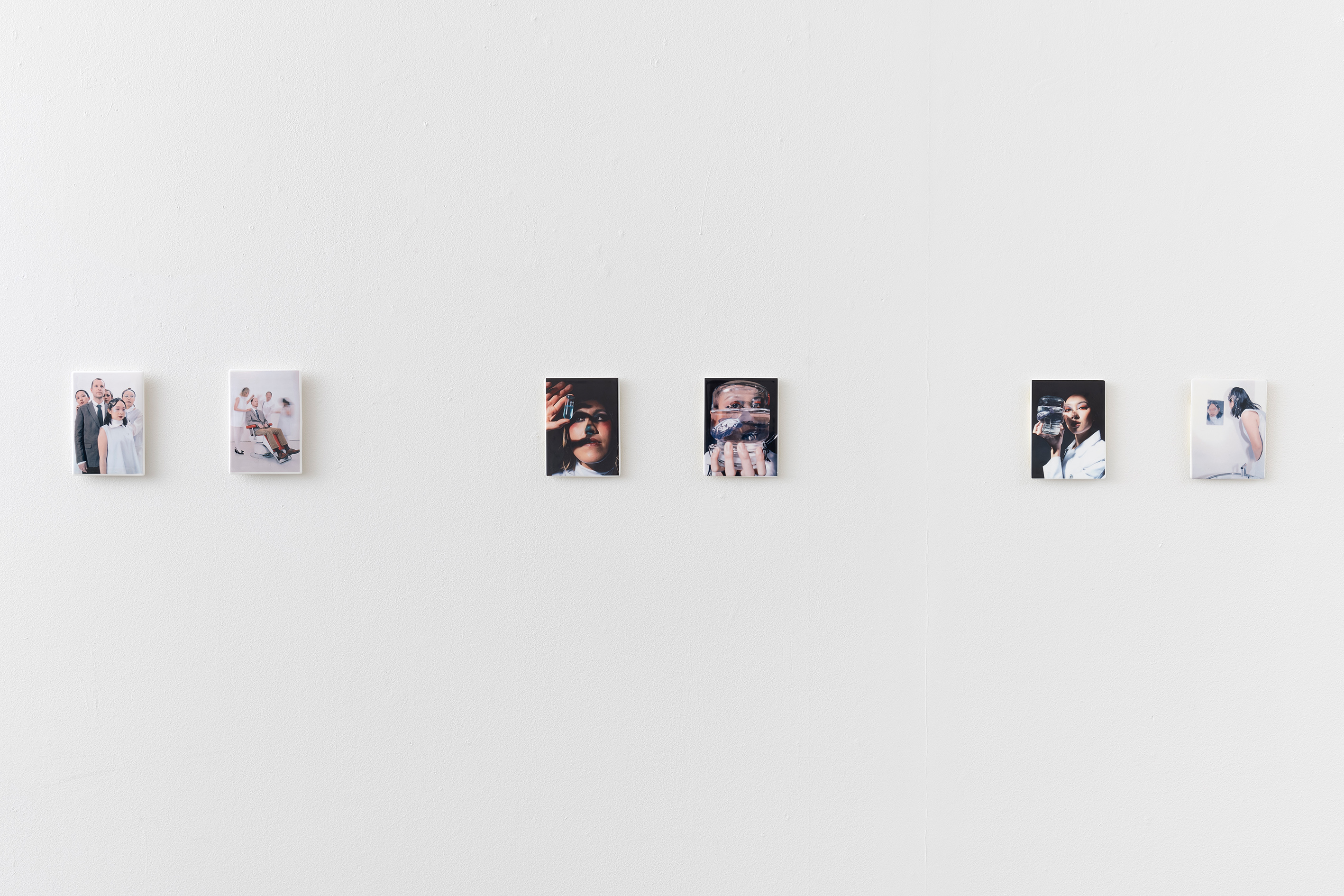
《23 染色體和沙龍》 是一件由相片與文字印製在瓷磚上的雕塑作品。作品取材自 Genetic Salon 的劇本與世界觀,並以人類 23 條染色體作為結構,重新排列當中的角色、引文、科學資料與虛構場景。
每一條染色體都成為一個場景、一段碎片,或一個進入 Genetic Salon 世界的概念入口。作品將科學事實、文學引文與科幻敘事並置:人類第二條染色體與猿類染色體的融合、Francis Crick 關於「生命秘密」的宣告、命運、智力、性格、性別、疾病、政治、衰老、記憶與自由等問題。這些碎片共同組成一份不穩定的基因索引,指向一間未來美容公司,在那裡,身體可以被編輯、改善和重新設計。
作品中的人物因不同原因進入 Genetic Salon。Luca 因智力不符合新時代標準而被勞動市場淘汰,於是希望提升自己的智力;接待員談及轉換性別、成為菊花,或為了配合喜歡的衣服而改造身體;一位賭徒透過跳舞機意外進入這個世界;顧客則可能面臨失憶、消失,甚至失去自我的風險。透過這些場景,《23 染色體和沙龍》 將基因改造呈現為一套由慾望、恐懼、社會標準與經濟壓力共同塑造的系統,而不是一種中性的科技。
相片與文字被印製在瓷磚之上,使它們看起來像未來檔案、醫學展示,或某種家庭紀念物的碎片。瓷磚堅硬、光滑、可保存的表面,與劇本中不斷變動、被改造和失去穩定性的身體形成對照。原本屬於影像與虛構場景的材料,被固定成一件件細小而可收藏的物件,彷彿 Genetic Salon 的承諾崩塌後留下來的遺物。
《23 染色體和沙龍》 追問:一個身體如何透過基因資訊變得可讀?自我改善的夢想又如何轉化成新的分類方式?作品透過染色體語言重組 Genetic Salon 的虛構世界,思考人們為何渴望在身體內部尋找命運,以及把生命密碼誤認為完整人生故事的危險。
23 Chromosomes and the Salon is a sculptural work made from photographs and text printed on porcelain tiles. The work draws from the script and world-building of Genetic Salon, reorganising its characters, quotations, scientific references, and fictional scenes through the structure of 23 human chromosomes.
Each chromosome becomes a scene, a fragment, or a conceptual entry into the Genetic Salon universe. Scientific facts, literary quotations, and speculative fiction are placed side by side: the fusion of human chromosome 2 and ape chromosomes; Francis Crick’s declaration of the “secret of life”; questions of fate, intelligence, personality, sex, disease, politics, ageing, memory, and freedom. Together, these fragments form an unstable genetic index of a future beauty company where the body can be edited, improved, and redesigned.
The work follows figures who enter Genetic Salon for different reasons. Luca seeks to increase his intelligence after being excluded from the labour market. Receptionists speak of changing gender, becoming a flower, or transforming the body to fit a favourite outfit. A gambler enters the salon through a dancing machine. Customers risk memory loss, disappearance, and the loss of self. Through these scenes, 23 Chromosomes and the Salon treats genetic modification not as a neutral technology, but as a system shaped by desire, fear, social standards, and economic pressure.
Printed on porcelain tiles, the images and texts resemble fragments from a future archive, medical display, or domestic memorial. The hard and glossy surface of the tiles contrasts with the instability of the bodies and identities described in the script. What was once a moving image or fictional scene becomes fixed as a small, collectible object, as if the remains of Genetic Salon have been preserved after the collapse of its promise.
23 Chromosomes and the Salon asks how a body becomes readable through genetic information, and how the dream of self-improvement can turn into a new form of classification. By arranging the fictional world of Genetic Salon through the language of chromosomes, the work reflects on the desire to locate destiny inside the body, and the danger of mistaking biological code for a complete story of life.



Exhibition: Kongsberg Kunstforning, 2023
Photos taken by Øystein Thorvaldsen.
Photos taken by Øystein Thorvaldsen.