Exhibition
集體消化的豆腐火腩飯
Collective Digestion of Dau6 Fu6 Fo2 Naam5 Faan6


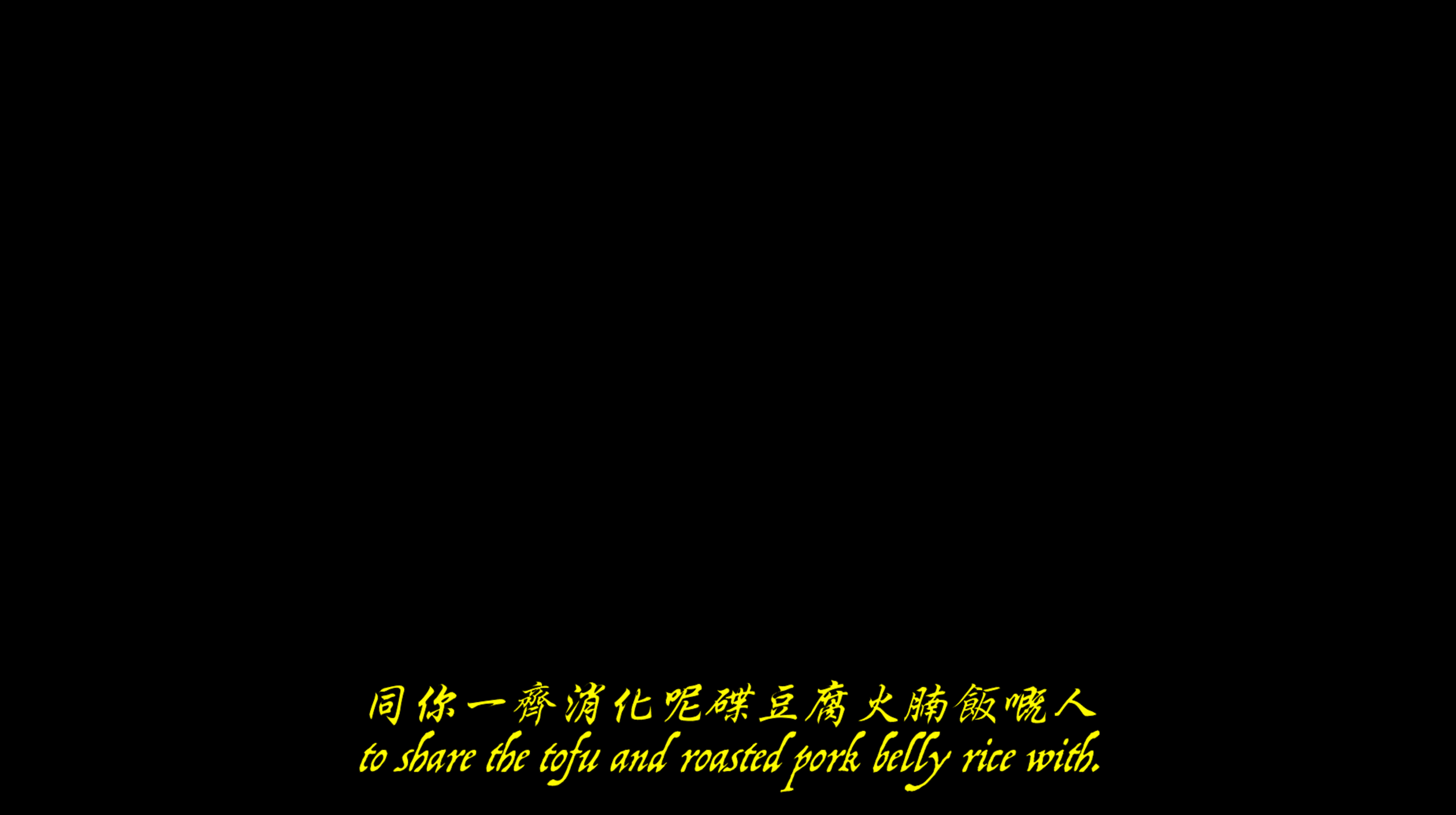
集體消化的豆腐火腩飯: 家庭影像
錄像。 4K,彩色,有聲 5.1,16:9,5 分鐘
Edition of 5 plus I AP
Collective Digestion of Dau6 Fu6 Fo2 Naam5 Faan6: Family Movie
Film. 4K, colour, sound 5.1, 16:9, 5’00”
Edition of 5 plus I AP
錄像。 4K,彩色,有聲 5.1,16:9,5 分鐘
Edition of 5 plus I AP
Collective Digestion of Dau6 Fu6 Fo2 Naam5 Faan6: Family Movie
Film. 4K, colour, sound 5.1, 16:9, 5’00”
Edition of 5 plus I AP
《集體消化的豆腐火腩飯》 以香港茶餐廳常見的碟頭飯——豆腐火腩飯——作為入口,探討食物在家庭分工、性別角色與情感勞動轉變中的位置。作品從一道日常快餐出發,回望藝術家家庭結構的演變:從父親獨自支撐家庭經濟,到雙薪家庭模式,再到父親退休、母親成為家庭經濟支柱的過程。
在作品中,豆腐火腩飯不只是一道菜,而是一個可以承載家庭記憶、勞動歷史與親密關係的情感媒介。火腩飯連結着父親的食量、體力勞動與養家責任;牛腩飯則成為母親在工作與照顧之間的日常口味記憶。當家庭中的經濟責任與照顧角色逐漸轉移,食物也成為理解這些變化的方法:誰在工作?誰在煮飯?誰被餵養?誰又在沉默中承擔家庭的延續?
展覽延伸自余淑培、陳錦彬與郭展源的合作項目 《Daddy’s Dinner》。一樓展出 《Daddy’s Dinner》 的錄像與攝影作品;二樓則以全新的錄像、軟雕塑與攝影瓷像,回到藝術家自己的原生家庭,進一步思考食物如何在家庭歷史中成為治癒、記憶與重新協商關係的容器。
作品中的錄像 《集體消化的豆腐火腩飯:家庭影像》 拍攝於藝術家家人的新居,由藝術家與家人的面對面對話構成。透過豆腐火腩飯、家常晚餐與日常對話,家庭成員共同回望那些不易被直接說出的微妙變化。《集體消化的豆腐火腩飯:瓷像》 則將錄像中的靜態畫面印製在瓷磚上,使一頓飯、一段對話與一個家庭時刻被轉化成可以保存的圖像碎片。
軟雕塑 《我中有你,你中有我》 回應十四年前高登平台一篇關於豆腐火腩飯與「男人的浪漫」的文字。作品從這個網絡記憶出發,轉向父親的身體、食量、勞動與沉默,也將豆腐火腩飯重新理解為一種不再屬於單一性別的浪漫。每一塊火腩都有自己的故事,每一次共同進食,都是一次對家庭、愛與責任的集體消化。
在作品中,豆腐火腩飯不只是一道菜,而是一個可以承載家庭記憶、勞動歷史與親密關係的情感媒介。火腩飯連結着父親的食量、體力勞動與養家責任;牛腩飯則成為母親在工作與照顧之間的日常口味記憶。當家庭中的經濟責任與照顧角色逐漸轉移,食物也成為理解這些變化的方法:誰在工作?誰在煮飯?誰被餵養?誰又在沉默中承擔家庭的延續?
展覽延伸自余淑培、陳錦彬與郭展源的合作項目 《Daddy’s Dinner》。一樓展出 《Daddy’s Dinner》 的錄像與攝影作品;二樓則以全新的錄像、軟雕塑與攝影瓷像,回到藝術家自己的原生家庭,進一步思考食物如何在家庭歷史中成為治癒、記憶與重新協商關係的容器。
作品中的錄像 《集體消化的豆腐火腩飯:家庭影像》 拍攝於藝術家家人的新居,由藝術家與家人的面對面對話構成。透過豆腐火腩飯、家常晚餐與日常對話,家庭成員共同回望那些不易被直接說出的微妙變化。《集體消化的豆腐火腩飯:瓷像》 則將錄像中的靜態畫面印製在瓷磚上,使一頓飯、一段對話與一個家庭時刻被轉化成可以保存的圖像碎片。
軟雕塑 《我中有你,你中有我》 回應十四年前高登平台一篇關於豆腐火腩飯與「男人的浪漫」的文字。作品從這個網絡記憶出發,轉向父親的身體、食量、勞動與沉默,也將豆腐火腩飯重新理解為一種不再屬於單一性別的浪漫。每一塊火腩都有自己的故事,每一次共同進食,都是一次對家庭、愛與責任的集體消化。
Collective Digestion of Dau6 Fu6 Fo2 Naam5 Faan6 takes tofu and roasted pork belly rice, a common dish from Hong Kong’s local fast-food and cha chaan teng culture, as a starting point for examining food within shifting family dynamics. Through the visual and cultural language of economy rice, the work reflects on the artist’s family history: from a period in which the father was the primary financial provider, to a dual-income household, and eventually to a post-retirement situation in which the mother becomes the main economic support of the family.
In the work, tofu and roasted pork belly rice is not only a dish, but an emotional medium through which family memory, labour history, and intimate responsibility can be held. Roasted pork rice is connected to the father’s appetite, physical labour, and role as provider; braised beef brisket rice carries the memory of the mother’s everyday meals between work and care. As financial and caregiving responsibilities shift within the family, food becomes a way to understand these changes: who works, who cooks, who is fed, and who quietly carries the continuity of family life?
The exhibition extends from Daddy’s Dinner, a collaborative project by Yu Shuk Pui, Jinbin Chen, and Jacky Jaan Yuan Kuo. The first floor presents video and photography from Daddy’s Dinner, while the second floor returns to the artist’s own family history through a new video, soft sculpture, and porcelain portraits. Together, the works explore food as a vessel for healing, memory, and the renegotiation of familial relationships.
The video Collective Digestion of Dau6 Fu6 Fo2 Naam5 Faan6: Family Movie was filmed in the artist’s family’s new home and consists of face-to-face conversations between the artist and her family. Through dishes such as tofu and roasted pork belly rice, everyday dinners, and intimate dialogue, the family reflects on subtle changes that are difficult to speak about directly. Collective Digestion of Dau6 Fu6 Fo2 Naam5 Faan6: Porcelain Portraits translates still images from the video into porcelain tiles, turning a meal, a conversation, and a family moment into preserved image fragments.
The soft sculpture In You, I Reside; In Me, You Dwell responds to a text written fourteen years ago by an online forum user about tofu and roasted pork belly rice and “men’s romance”. From this internet memory, the work turns towards the artist’s father: his body, appetite, labour, and silence. The dish becomes a way to rethink romance beyond a single gendered experience. Each slice of roasted pork belly carries its own story, and each shared meal becomes an act of collective digestion — of family, love, labour, and responsibility.
In the work, tofu and roasted pork belly rice is not only a dish, but an emotional medium through which family memory, labour history, and intimate responsibility can be held. Roasted pork rice is connected to the father’s appetite, physical labour, and role as provider; braised beef brisket rice carries the memory of the mother’s everyday meals between work and care. As financial and caregiving responsibilities shift within the family, food becomes a way to understand these changes: who works, who cooks, who is fed, and who quietly carries the continuity of family life?
The exhibition extends from Daddy’s Dinner, a collaborative project by Yu Shuk Pui, Jinbin Chen, and Jacky Jaan Yuan Kuo. The first floor presents video and photography from Daddy’s Dinner, while the second floor returns to the artist’s own family history through a new video, soft sculpture, and porcelain portraits. Together, the works explore food as a vessel for healing, memory, and the renegotiation of familial relationships.
The video Collective Digestion of Dau6 Fu6 Fo2 Naam5 Faan6: Family Movie was filmed in the artist’s family’s new home and consists of face-to-face conversations between the artist and her family. Through dishes such as tofu and roasted pork belly rice, everyday dinners, and intimate dialogue, the family reflects on subtle changes that are difficult to speak about directly. Collective Digestion of Dau6 Fu6 Fo2 Naam5 Faan6: Porcelain Portraits translates still images from the video into porcelain tiles, turning a meal, a conversation, and a family moment into preserved image fragments.
The soft sculpture In You, I Reside; In Me, You Dwell responds to a text written fourteen years ago by an online forum user about tofu and roasted pork belly rice and “men’s romance”. From this internet memory, the work turns towards the artist’s father: his body, appetite, labour, and silence. The dish becomes a way to rethink romance beyond a single gendered experience. Each slice of roasted pork belly carries its own story, and each shared meal becomes an act of collective digestion — of family, love, labour, and responsibility.
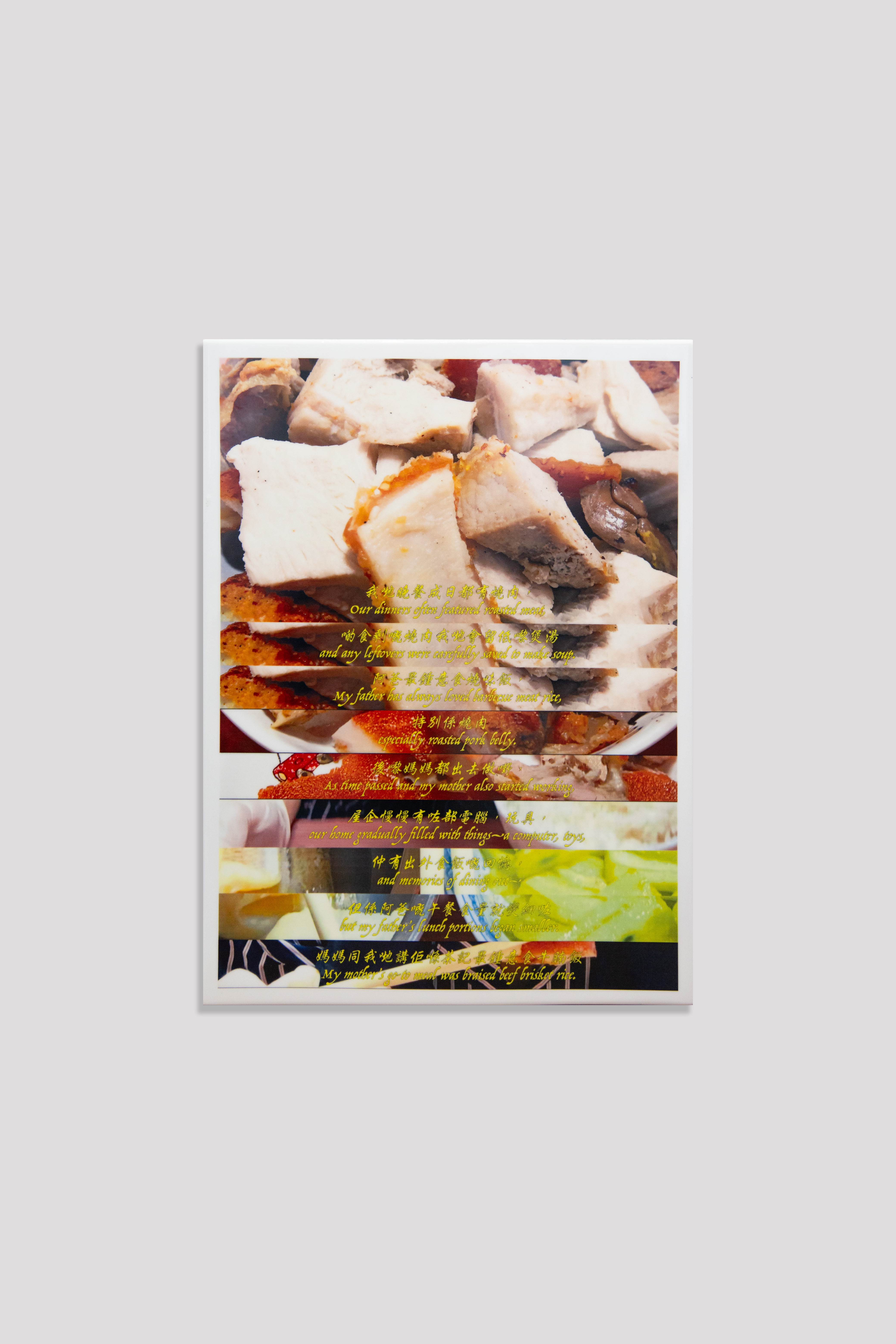
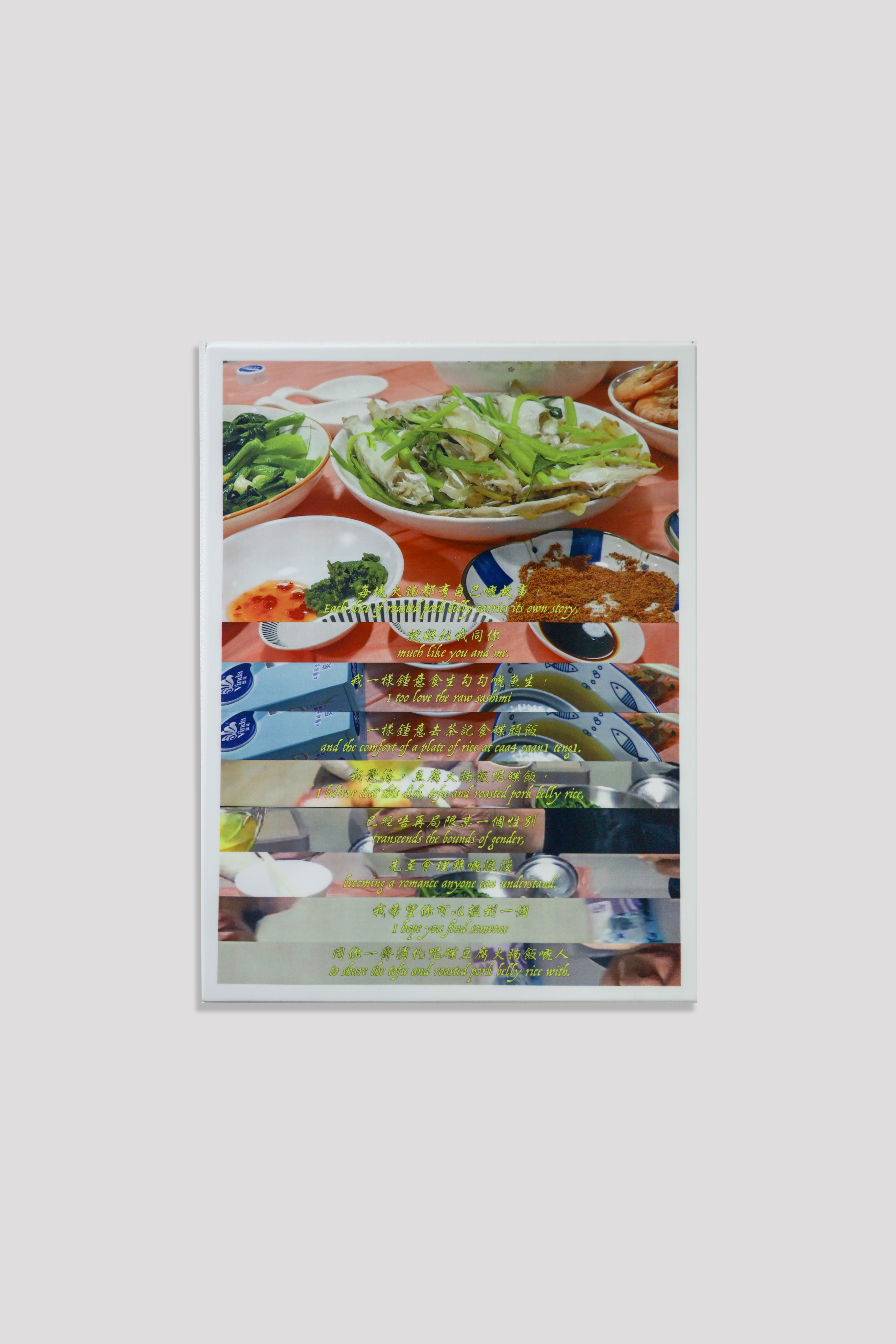
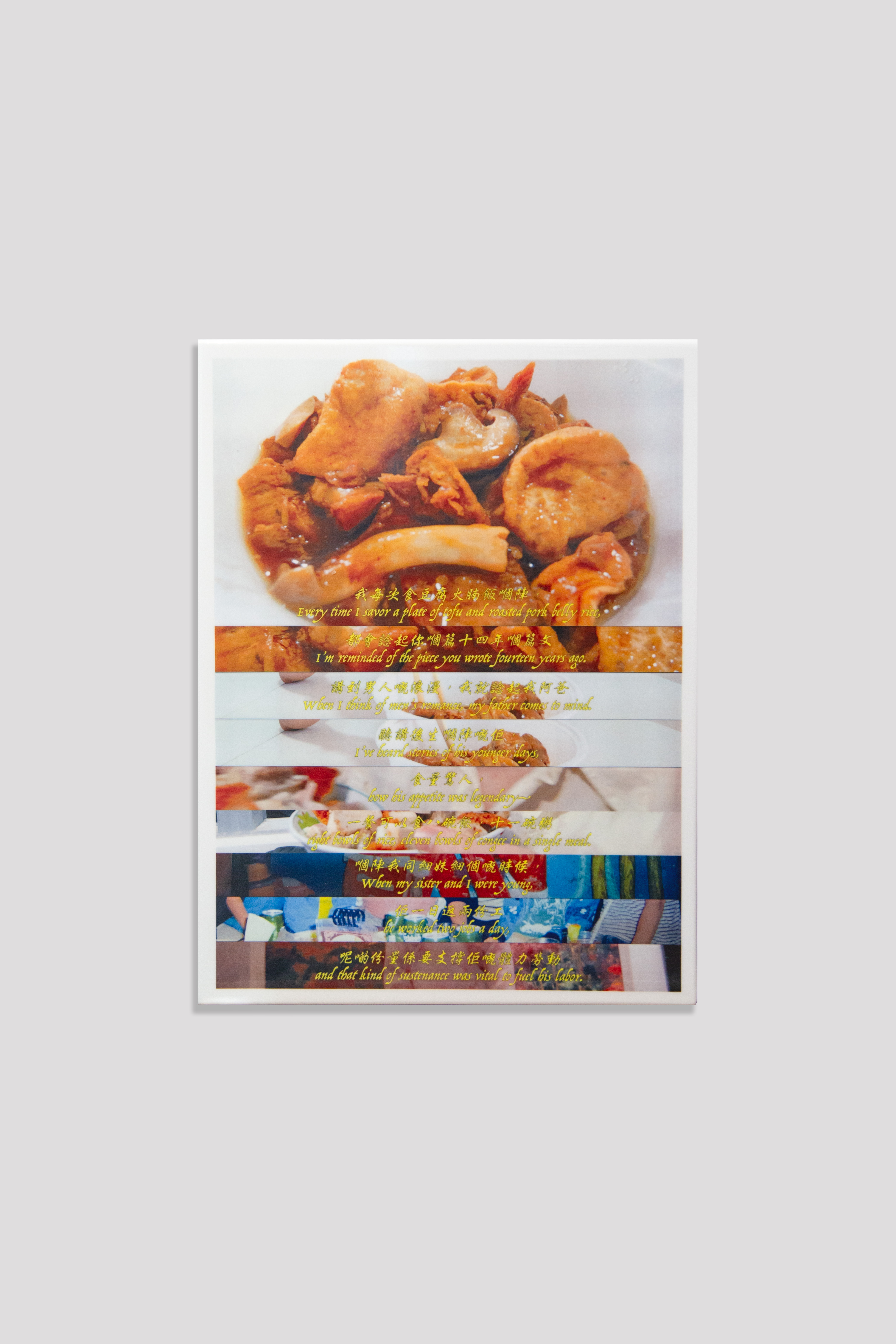
集體消化的豆腐火腩飯:瓷像
多個影片靜態圖像印在瓷磚上,共三件
獨特作品
多個影片靜態圖像印在瓷磚上,共三件
獨特作品
這件作品是藝術家對14年前高登平台網友的回應,使用快餐店常見的菜式——豆腐火腩飯——作為媒介,探討單一性別浪漫關係的演變,進而剖析藝術家家庭結構的變遷。影像素材來自於同場展覽中的錄像作品多個截圖。
Collective Digestion of Dau6 Fu6 Fo2 Naam5 Faan6: Porcelain Portraits
Multiple Video Stills Printed on Porcelain Tiles, total 3 pieces
Unique Piece
Multiple Video Stills Printed on Porcelain Tiles, total 3 pieces
Unique Piece
This work is a response to online users from a forum 14 years ago, using a common dish from local fast-food restaurants—Dau Fu Fo Naam Faan (Tofu and Roasted Pork Rice)—as a medium to explore the evolution of same-gender romantic relationships and subsequently, the changes in the artist's family structure. The images are stills from the video work exhibited in the same show.
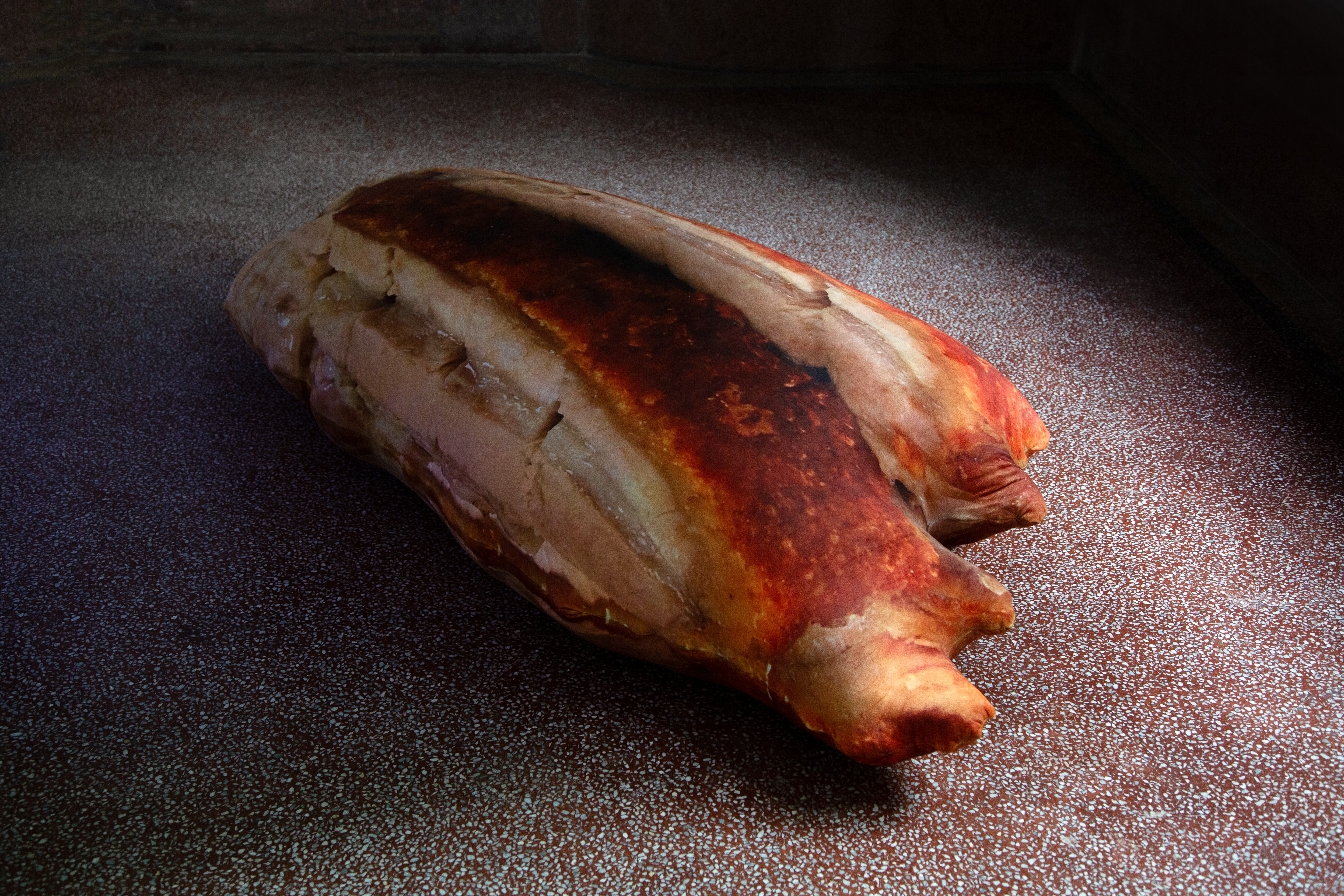
我中有你,你中有我
軟雕塑
In You, I reside; In me, you dwell.
Soft Sculpture
軟雕塑
In You, I reside; In me, you dwell.
Soft Sculpture
Monologue
Every time I savor a plate of tofu and roasted pork belly rice,
I’m reminded of the piece you wrote fourteen years ago.
It made me ponder the idea of “romance” for men.
When I think of men’s romance, my father comes to mind.
My childhood memories of him are either of him quietly eating, head bowed,
or resting with his eyes closed.
I’ve heard stories of his younger days,
how his appetite was legendary—
eight bowls of rice, eleven bowls of congee in a single meal.
When my sister and I were young, he worked two jobs a day,
and that kind of sustenance was vital to fuel his labor.
For as long as I can remember,
My father has always loved barbecue meat rice,
especially roasted pork belly.
As time passed and my mother also started working,
our home gradually filled with things—
a computer, toys, and memories of dining out—
but my father’s lunch portions began smaller.
My mother’s go-to meal was braised beef brisket rice.
Our dinners often featured roasted meat,
and any leftovers were carefully saved to make soup.
So whenever I see tofu and roasted pork belly rice,
it feels intimately familiar.
Each slice of roasted pork belly carries its own story,
much like you and me. I too love the raw sashimi
and the comfort of a plate of rice at a café.
I believe that this dish, tofu and roasted pork belly rice,
transcends the bounds of gender,
becoming a romance anyone can understand.
I hope you find someone to share this plate of tofu and roasted pork belly rice with.
I’m reminded of the piece you wrote fourteen years ago.
It made me ponder the idea of “romance” for men.
When I think of men’s romance, my father comes to mind.
My childhood memories of him are either of him quietly eating, head bowed,
or resting with his eyes closed.
I’ve heard stories of his younger days,
how his appetite was legendary—
eight bowls of rice, eleven bowls of congee in a single meal.
When my sister and I were young, he worked two jobs a day,
and that kind of sustenance was vital to fuel his labor.
For as long as I can remember,
My father has always loved barbecue meat rice,
especially roasted pork belly.
As time passed and my mother also started working,
our home gradually filled with things—
a computer, toys, and memories of dining out—
but my father’s lunch portions began smaller.
My mother’s go-to meal was braised beef brisket rice.
Our dinners often featured roasted meat,
and any leftovers were carefully saved to make soup.
So whenever I see tofu and roasted pork belly rice,
it feels intimately familiar.
Each slice of roasted pork belly carries its own story,
much like you and me. I too love the raw sashimi
and the comfort of a plate of rice at a café.
I believe that this dish, tofu and roasted pork belly rice,
transcends the bounds of gender,
becoming a romance anyone can understand.
I hope you find someone to share this plate of tofu and roasted pork belly rice with.
獨白
我每次食豆腐火腩飯嗰陣,
都會諗起你嗰篇十四年嗰篇文。
因為我開始諗男人嘅浪漫。
講到男人嘅浪漫,
我就諗起我阿爸。
細個嗰陣,我對阿爸嘅記憶,
就係佢唔係埋頭食飯,
就係閉埋眼養神。
聽講後生嗰陣嘅佢,
食量驚人,
一餐可以食八碗飯,十一碗粥。
嗰陣我同細妹細個嘅時候,
佢一日返兩份工,
呢啲份量係要支撐佢嘅體力勞動。
從我有記憶以嚟,
阿爸最鍾意食燒味飯,特別係燒肉。
後嚟媽媽都出去做嘢,
屋企慢慢有咗部電腦,玩具,
仲有出外食飯嘅回憶,
但係阿爸嘅午餐食量就變細咗。
媽媽同我哋講佢喺茶記最鍾意食牛腩飯。
我哋晚餐成日都有燒肉,
啲食剩嘅燒肉我哋會留低嚟煲湯。
所以每次喺茶記見到豆腐火腩飯,
都覺得唔陌生。
每塊火腩都有自己嘅故事,
就好似我同你。
我一樣鍾意食生勾勾嘅魚生,
一樣鍾意去茶記食碟頭飯。
我覺得,豆腐火腩飯呢碟飯,
已經唔再局限某一個性別先至會理解嘅浪漫。
我希望你可以搵到一個同你一齊消化呢碟豆腐火腩飯嘅人。
都會諗起你嗰篇十四年嗰篇文。
因為我開始諗男人嘅浪漫。
講到男人嘅浪漫,
我就諗起我阿爸。
細個嗰陣,我對阿爸嘅記憶,
就係佢唔係埋頭食飯,
就係閉埋眼養神。
聽講後生嗰陣嘅佢,
食量驚人,
一餐可以食八碗飯,十一碗粥。
嗰陣我同細妹細個嘅時候,
佢一日返兩份工,
呢啲份量係要支撐佢嘅體力勞動。
從我有記憶以嚟,
阿爸最鍾意食燒味飯,特別係燒肉。
後嚟媽媽都出去做嘢,
屋企慢慢有咗部電腦,玩具,
仲有出外食飯嘅回憶,
但係阿爸嘅午餐食量就變細咗。
媽媽同我哋講佢喺茶記最鍾意食牛腩飯。
我哋晚餐成日都有燒肉,
啲食剩嘅燒肉我哋會留低嚟煲湯。
所以每次喺茶記見到豆腐火腩飯,
都覺得唔陌生。
每塊火腩都有自己嘅故事,
就好似我同你。
我一樣鍾意食生勾勾嘅魚生,
一樣鍾意去茶記食碟頭飯。
我覺得,豆腐火腩飯呢碟飯,
已經唔再局限某一個性別先至會理解嘅浪漫。
我希望你可以搵到一個同你一齊消化呢碟豆腐火腩飯嘅人。